August 18, 2026
Choosing the right lifting equipment can have a major impact on the safety, efficiency, and overall success of a construction or industrial project. Every job has different requirements based on the weight of the materials being moved, the height of the lift, site conditions, available working space, and project schedule. Working with an experienced crane company helps ensure that these factors are evaluated before equipment arrives at the job site.
Project size alone does not determine which crane is appropriate. Contractors must also consider load requirements, terrain, access limitations, overhead obstacles, and the amount of space available for equipment setup. Selecting equipment without considering the complete scope of the project can create unnecessary complications, delays, or safety concerns. Professional guidance allows project managers to match lifting capabilities with actual job requirements while coordinating equipment around other activities.
According to Research and Markets, the hydraulic crane market is projected to increase from $11.48 billion in 2025 to $12.13 billion in 2026. This growth reflects the continuing importance of lifting equipment across construction, infrastructure, industrial, and other demanding applications. As equipment options continue to evolve, selecting the appropriate provider and machinery requires careful consideration.
Evaluating Your Project Requirements
Reviewing Load Requirements
The weight and dimensions of the materials being lifted are fundamental considerations when selecting equipment. Structural steel, mechanical equipment, prefabricated components, and other materials can have significantly different lifting requirements. An experienced crane company evaluates these specifications to determine what capacity is appropriate for the job rather than relying on general estimates that may not reflect actual site demands.
Reviewing Lift Heights
Projects involving multistory structures or elevated installation points require careful consideration of lifting height. Equipment must provide sufficient reach while maintaining appropriate operating capacity throughout the lift. The required height can substantially influence which type and configuration of crane is suitable.
Reviewing Project Duration
Some lifting requirements can be completed within a short period, while larger projects may require equipment for extended schedules. Understanding the anticipated duration helps determine equipment availability and allows lifting operations to be coordinated effectively with other phases of construction.
Reviewing Lift Frequency
A project involving one major lift has different demands than a job requiring repeated lifting throughout the day. Frequency influences equipment selection, scheduling, and site coordination. Evaluating how often lifting will occur provides a clearer picture of the project's complete operational needs.
Assessing Your Job Site Conditions
Examining Ground Conditions
Ground stability is an important consideration whenever heavy lifting equipment is brought onto a property. Soil conditions, paved surfaces, slopes, and previously disturbed areas can affect how equipment is positioned and operated. A qualified crane company considers site conditions as part of determining whether the proposed equipment is suitable for the working environment.
Examining Access Conditions
Large equipment needs adequate access to enter, maneuver through, and leave the project site. Narrow entrances, surrounding structures, traffic, or limited staging areas may influence equipment selection. Identifying these restrictions beforehand can prevent avoidable complications once lifting operations are scheduled.
Examining Overhead Conditions
Power lines, trees, existing structures, and other overhead obstacles can affect the available working area. These conditions must be considered when evaluating boom movement and equipment positioning. A thorough understanding of the surrounding environment supports safer and more efficient planning.
Examining Available Workspace
Not every project provides a large, unobstructed area for equipment. Urban construction sites and developed commercial properties can have particularly limited space. Equipment selection should account for the area available for setup without unnecessarily interfering with other essential site activities.
Matching Equipment to Project Demands
Comparing Lifting Capacities
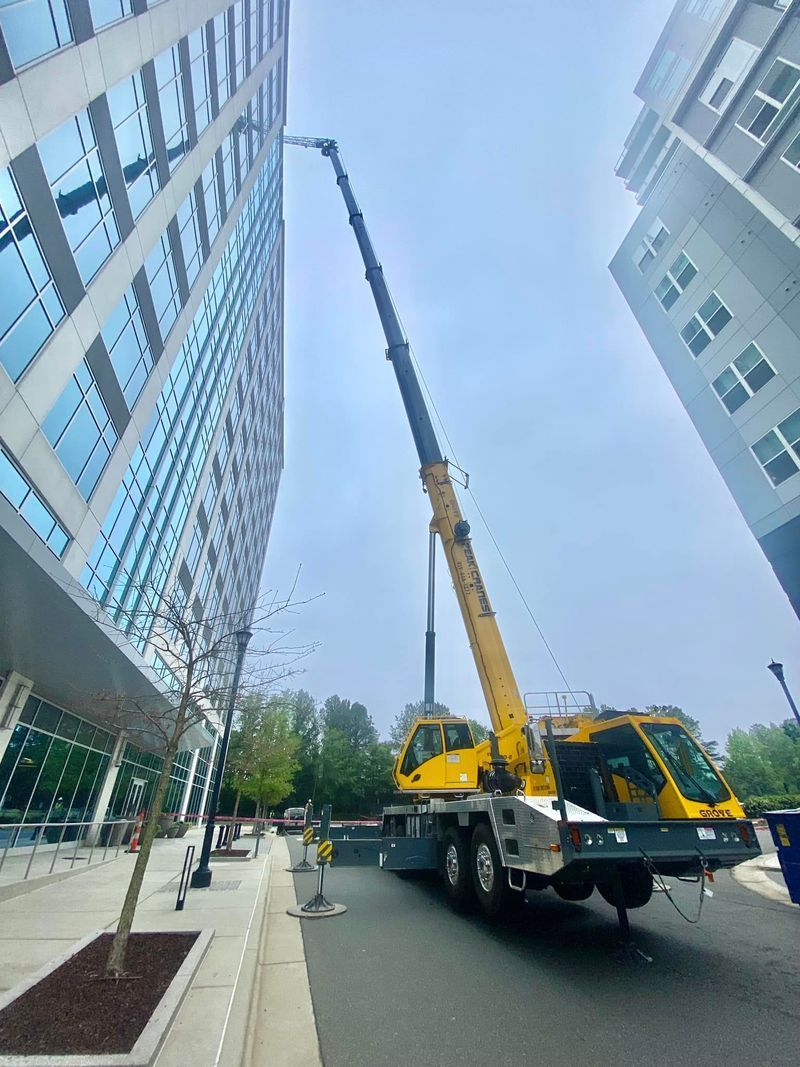
Crane capacity should align with the specific demands of the project. Capacity involves more than the maximum weight listed for a particular machine because factors such as boom length, configuration, and operating radius can influence lifting capabilities.
Comparing Reach Capabilities
Some projects require materials to be lifted vertically, while others require loads to travel considerable horizontal distances before reaching their destination. Evaluating reach requirements helps determine which equipment can perform the necessary movements while remaining within appropriate operating parameters.
Comparing Equipment Mobility
Mobility requirements can differ substantially between job sites. Some projects require equipment to remain in one established position, while others may involve multiple work areas. Understanding how the equipment must function across the site helps narrow the available choices.
Comparing Equipment Configurations
Different crane configurations serve different lifting environments. The appropriate option depends on the combination of capacity, reach, mobility, and site limitations involved. Professional equipment selection considers how all these requirements interact instead of evaluating individual specifications in isolation.
Considering Safety and Professional Experience
Verifying Operator Qualifications
Equipment capabilities are only part of a successful lifting operation. Qualified personnel are equally important because operators must understand the machinery, project conditions, and established safety requirements. When evaluating a crane company, experience and professional qualifications should be considered alongside the equipment available for the project.
Verifying Equipment Condition
Well-maintained machinery supports reliable performance on demanding job sites. Equipment condition, inspections, and maintenance practices are important considerations when choosing a provider. Dependable machinery also helps minimize the potential for disruptions caused by avoidable mechanical problems.
Verifying Safety Practices
Lifting operations involve significant weights, heights, and moving components, making established safety practices essential. Professional providers approach each project with careful planning and attention to site-specific conditions.
Verifying Relevant Experience
Experience with comparable projects can be valuable when complex site conditions or specialized lifts are involved. A provider familiar with different industries and lifting scenarios is better positioned to understand how project scope affects equipment selection, scheduling, and coordination.
Coordinating Equipment With Project Logistics
Planning Equipment Arrival
Crane operations often depend on other project activities occurring on schedule. Equipment arriving before a site is ready can create logistical challenges, while late arrival may interrupt subsequent work. An organized crane company coordinates scheduling around project requirements so lifting operations fit effectively within the broader construction timeline.
Planning Material Delivery
Materials should be available when lifting operations are scheduled, whenever possible. Coordinating deliveries with equipment availability reduces unnecessary waiting and helps contractors maintain productive schedules. This becomes particularly important when large components require specialized transportation.
Planning Site Activity
Construction sites may include several contractors, vehicles, and pieces of equipment operating simultaneously. Lifting activities must be coordinated with these operations to maintain appropriate working space. Advance planning helps reduce conflicts and keeps different phases of the project moving efficiently.
Planning Schedule Changes
Weather, material delays, and changes elsewhere in a project can affect the original lifting schedule. Working with a responsive provider makes it easier to communicate about changing circumstances and determine how adjustments may affect equipment availability and project logistics.
Comparing Overall Service and Project Value
Considering Equipment Availability
The appropriate equipment must be available when the project requires it. When comparing providers, contractors should consider whether the available fleet can accommodate the project's capacity, reach, and scheduling requirements.
Considering Communication Quality
Clear communication supports better planning from the initial discussion through completion of lifting operations. Project managers should be able to communicate load specifications, site restrictions, scheduling requirements, and other relevant details.
Considering Project Compatibility
The lowest-cost option is not necessarily the one that delivers the greatest overall value. Equipment should be appropriately matched to the project rather than selected solely according to price. Choosing the right machinery and professional support can contribute to more efficient operations and fewer unnecessary complications.
Considering Complete Service Value
Value includes equipment quality, professional experience, reliability, communication, and the ability to meet the project's specific requirements. Evaluating these factors together provides a more complete understanding of what a crane company can contribute to the job and helps project managers make a more informed selection.
Selecting lifting equipment requires a complete understanding of the project rather than focusing on a single specification. Load weight, lifting height, operating radius, site access, ground conditions, available space, scheduling, and equipment configuration can all influence which option is appropriate.
The provider you select is equally important. Experienced professionals can evaluate the demands of a project, identify appropriate equipment, account for site restrictions, and coordinate lifting activities with the larger construction schedule. Choosing a crane company with suitable equipment and relevant experience can help reduce uncertainty while supporting safe, dependable, and efficient operations from beginning to end.
If your upcoming project requires professional lifting support, contact Peak Cranes today to discuss your project size and scope and learn how the right crane company and equipment can help keep your operation moving safely and efficiently.