April 15, 2026
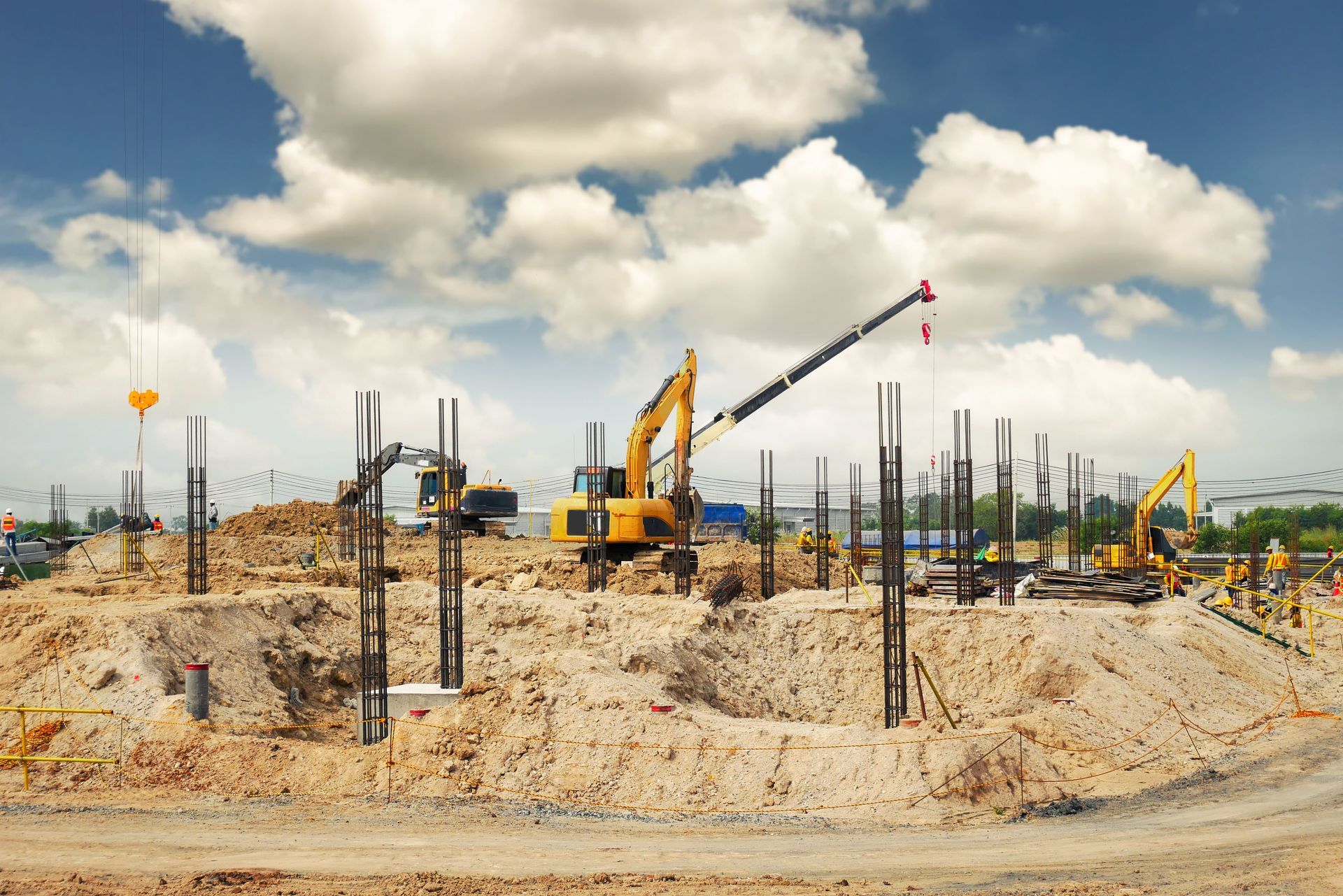
Modern construction and material handling projects demand more than raw lifting power. They require planning, coordination, and specialized equipment that can move heavy loads safely and accurately under changing job-site conditions. From placing structural steel to lifting HVAC units onto rooftops, every movement must be carefully managed to protect workers, property, and project timelines. That is why crane services play such an important role across commercial, industrial, and residential work. When managed by trained professionals, they help teams complete difficult tasks with greater control and fewer costly disruptions.
Projects that involve oversized materials or elevated placement often present risks that standard equipment cannot address efficiently. Attempting to move these loads without the right machinery can increase the chance of damage, delays, and workplace injuries. Professional lifting support helps eliminate much of that uncertainty by matching the right crane to the specific demands of the site. In doing so, crane services allow project managers to maintain momentum while also meeting operational and safety expectations.
Reducing Workplace Risks
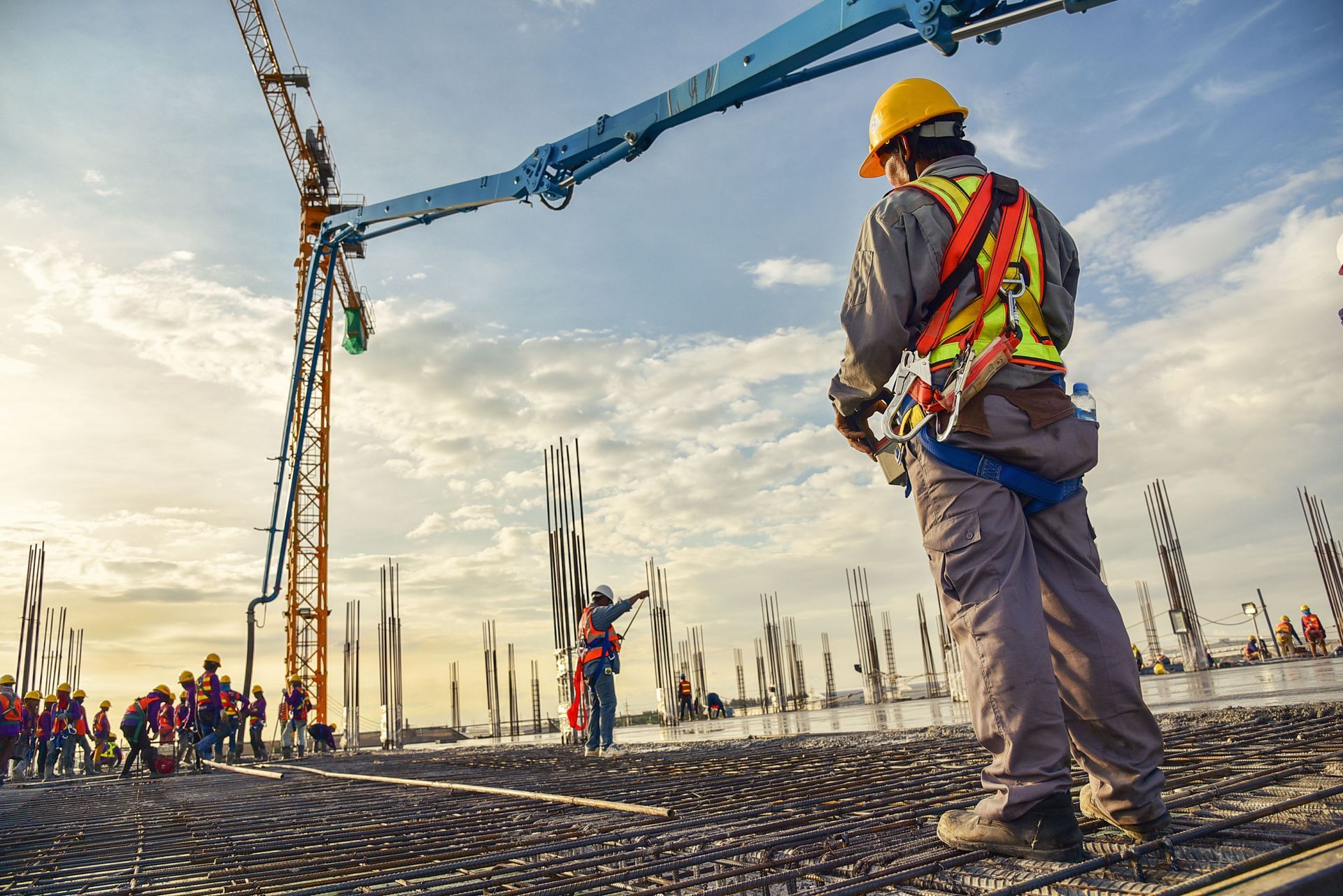
One of the clearest advantages of professional lifting support is the ability to reduce physical risk on the jobsite. Heavy beams, trusses, generators, and prefabricated components are difficult to move manually and often unsafe to reposition with undersized equipment. Crane services allow these materials to be lifted and guided with far greater stability, minimizing the need for dangerous improvisation. Instead of relying on multiple workers to strain through a complicated move, crews can use engineered lifting methods that create a safer and more organized process.
This improved control matters because construction zones are full of variables. Narrow access points, uneven terrain, overhead obstructions, and nearby structures can all complicate lifting operations. A qualified crane team evaluates those conditions ahead of time and creates a plan that accounts for weight, radius, ground bearing capacity, and clearance. That preparation helps prevent tipping incidents, collisions, and dropped loads. It also creates clearer communication among crew members so that everyone understands where to stand, when to move, and how the lift will proceed. With crane services integrated into the project plan early, contractors can replace guesswork with procedures that support consistent safety from start to finish.
Enhancing Placement Accuracy
Precision is another major reason projects benefit from professional equipment and operators. Many materials cannot simply be lifted and set down roughly in place. Steel members, concrete panels, rooftop units, and specialty assemblies often need exact positioning so installation can move forward correctly. Crane services make that level of placement possible by providing both the lifting capacity and controlled movement required for careful alignment. Even a small error during placement can create problems for later trades, making accuracy essential rather than optional.
This precision supports quality workmanship throughout the project. When loads are positioned the first time properly, crews spend less time making corrections or adjusting nearby materials. That saves labor and protects sensitive components from unnecessary handling. It also improves coordination between subcontractors, since one trade can finish its work without creating obstacles for the next. In fast-paced environments where timing is closely managed, crane services help installers work with confidence because they know each lift is being handled with a higher degree of control and consistency.
Streamlining Project Schedules
Efficiency on a jobsite is not just about moving quickly. It is about reducing wasted motion, avoiding interruptions, and making sure each phase of work happens in the proper sequence. Crane services contribute to that efficiency by helping teams complete demanding lifts in a structured and timely way. Rather than breaking large materials into smaller pieces for manual transport or using multiple machines to do the work of one crane, contractors can streamline the process with equipment designed for the task.
That advantage becomes even more valuable as projects grow in size and complexity. According to the New York Times, 73% of cranes are used for residential and mixed-use developments. That figure reflects how often modern building projects rely on lifting equipment to keep construction moving. From new housing developments to multi-use properties with retail and living space, builders depend on reliable hoisting support to place materials where they are needed without slowing the rest of the operation. By supporting coordinated deliveries and timely installations, crane services help maintain schedules, reduce downtime, and improve the use of labor across the site.
Matching Equipment to Conditions
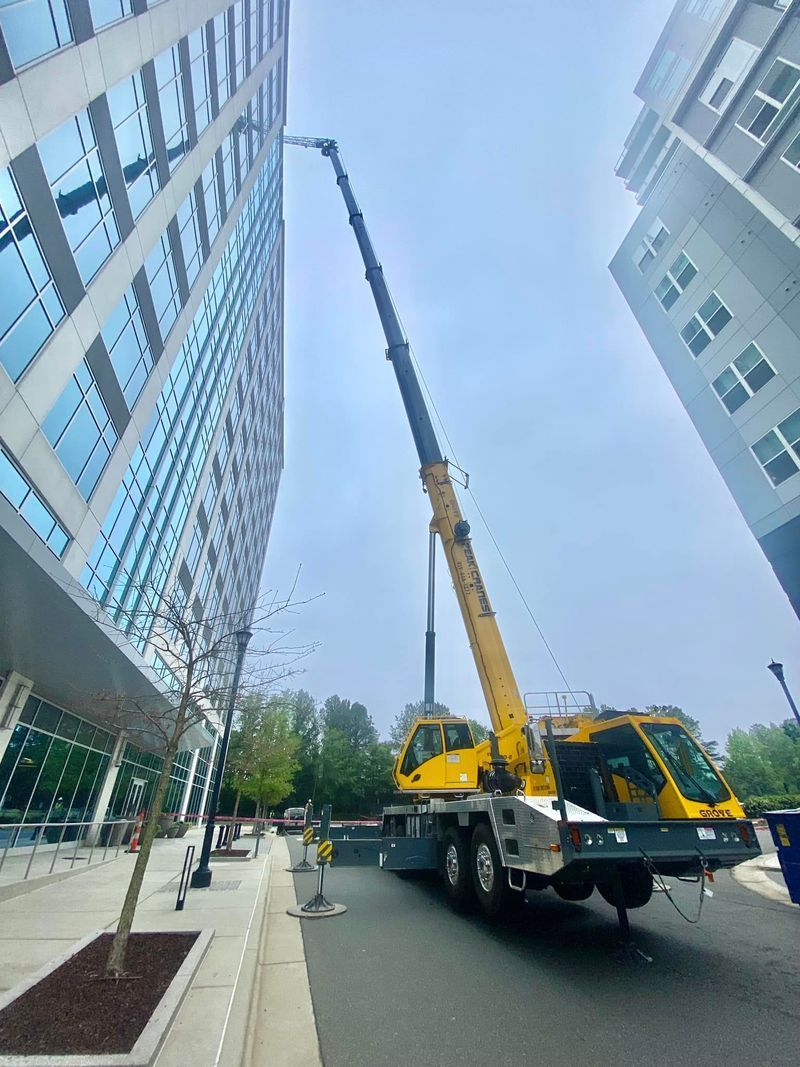
Every project has unique conditions, which means lifting strategies cannot be one-size-fits-all. Some sites require compact cranes for tight urban spaces, while others call for larger machines capable of reaching over obstacles or lifting substantial loads at greater heights. Crane services bring flexibility to these situations by offering equipment options that suit the scope and layout of the work. This adaptability helps contractors avoid forcing unsuitable machinery into environments where it will perform poorly or create additional risk.
Professional providers also understand that site demands can change as a project develops. Early phases may focus on setting structural materials, while later stages may involve mechanical units, landscaping elements, or specialty installations. Having access to experienced operators and varied crane types allows project teams to respond to those changing needs without losing efficiency. Instead of searching for last-minute solutions, they can coordinate lifts with a partner that understands timing, load requirements, and site logistics from the start. As a result, crane services support smoother transitions between phases and reduce interruptions caused by poor equipment selection.
Protecting Loads and Surroundings
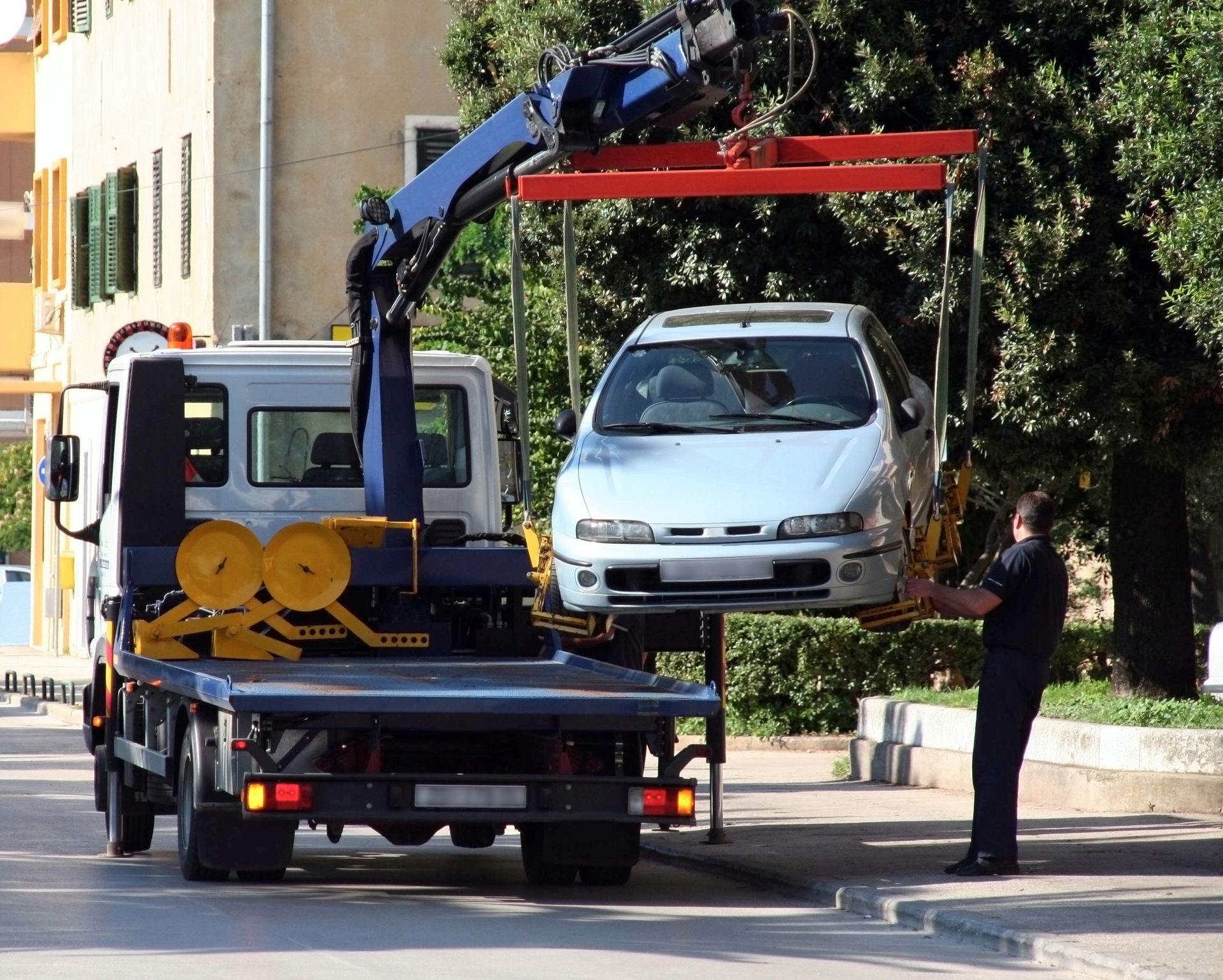
Heavy materials are expensive, and many are also difficult to replace on short notice. Damage during lifting can create direct financial loss while also disrupting the entire schedule. Crane services help protect valuable materials by using appropriate rigging methods, balanced lifting techniques, and careful placement procedures. This reduces the likelihood of cracked panels, bent steel, damaged equipment housings, or scratched finished surfaces. Protecting the load is just as important as moving it, especially when the material is custom-fabricated or needed immediately for the next stage of installation.
Property protection is equally important. On active jobsites, nearby buildings, pavement, fencing, and utility infrastructure may all sit close to the lifting area. A poorly planned move can lead to impact damage or unsafe contact with surrounding features. Skilled lift planning limits that exposure by mapping travel paths, establishing exclusion zones, and maintaining constant communication during operation. These precautions support a cleaner, more professional jobsite and help owners feel confident that the work is being handled responsibly. When crane services are performed with discipline and preparation, they help protect both the materials being moved and the environment around them.
Strengthening Project Performance
When safety, precision, and efficiency improve together, the entire project benefits. Crane services help create that combination by giving contractors a dependable way to handle some of the most demanding tasks on site. Workers can focus on installation instead of struggling with transport challenges. Supervisors can manage scheduling with greater confidence. Owners benefit from smoother progress, fewer avoidable issues, and better protection for both materials and surrounding property.
In the long run, choosing professional lifting support is an investment in better performance. A well-executed lift can save hours of labor, reduce the chance of rework, and prevent setbacks that affect multiple crews at once. It can also improve overall site morale because teams are able to work in a safer, more predictable environment. Whether the project involves structural assembly, equipment placement, or specialized material handling, crane services help transform difficult lifts into manageable operations that are organized and efficient. Call Peak Cranes today to schedule your crane rental service.