February 26, 2026
In the modern construction and industrial landscape, companies are constantly searching for ways to improve efficiency while controlling costs and minimizing risk. One strategy that has gained significant traction is choosing a local crane service rather than purchasing expensive equipment outright. For businesses managing tight budgets, variable workloads, and complex project demands, renting offers a smarter, more flexible approach. From financial savings and operational efficiency to access to expert support and the latest technology, crane rentals provide measurable advantages. As projects become more specialized and timelines more demanding, the benefits of partnering with a trusted local crane service become even clearer, allowing businesses to stay competitive, agile, and profitable.
Managing Costs More Effectively
One of the most compelling reasons to rent rather than buy a crane is the ability to manage costs with greater precision and predictability. Purchasing a crane requires a massive upfront capital investment that can strain cash flow and limit financial flexibility. This expense does not end with the purchase price, as ownership brings ongoing costs related to maintenance, repairs, insurance, storage, fuel, and staffing. Over time, these expenses accumulate, often exceeding initial projections and reducing overall profitability.
Renting through a local crane service eliminates the need for heavy upfront spending, allowing businesses to allocate capital toward labor, materials, and other revenue-generating activities. Maintenance and repair responsibilities are typically included in rental agreements, significantly reducing unexpected costs and downtime. This ensures that equipment remains in peak condition without the burden of arranging service schedules or managing breakdowns internally. Furthermore, rental rates provide predictable budgeting, enabling project managers to plan expenses more accurately and avoid financial surprises.
Depreciation also plays a significant role in cost considerations. Cranes lose value over time due to wear, technological advancements, and market fluctuations. Owners absorb this depreciation, often facing losses when selling outdated equipment. Renting removes this risk entirely, as the responsibility for asset value rests with the rental provider. Additionally, rental expenses can often be deducted as operational costs, offering potential tax advantages that further improve financial efficiency. Notably, the global machinery rental market is projected to reach approximately $311.18 billion by 2034, according to Global Growth Insights, highlighting the growing recognition of these financial benefits.
Maximizing Flexibility and Equipment Access
Construction projects vary widely in scale, complexity, and technical requirements, making flexibility essential for success. Working with a local crane service allows businesses to adapt seamlessly to changing project demands by accessing the exact type and size of crane needed for each job. Instead of being limited by owned equipment, companies can select specialized machinery tailored to specific site conditions, load capacities, and operational challenges.
This flexibility is especially valuable when managing multiple projects simultaneously or navigating fluctuating workloads. Short-term rentals support temporary surges in demand, while long-term rentals provide stability for extended projects without committing capital to ownership. By matching rental durations to project timelines, businesses avoid unnecessary expenses and maximize resource efficiency.
Access to the latest technology is another major advantage. The construction industry evolves rapidly, introducing cranes with improved safety features, energy efficiency, and performance capabilities. Owning equipment makes it difficult and costly to stay current, while renting ensures consistent access to modern, high-performing machinery. Partnering with a reputable local crane service ensures that businesses benefit from cutting-edge technology without the burden of frequent upgrades or long-term depreciation.
Reducing Operational and Financial Risk
Risk management is a critical component of construction operations, and renting significantly reduces exposure across multiple dimensions. Equipment downtime, for instance, can derail schedules and inflate costs. Rental companies maintain their fleets rigorously, ensuring cranes are thoroughly inspected, serviced, and ready for immediate use. In the event of mechanical issues, replacement equipment is often available quickly, minimizing delays and maintaining productivity.
By working with a local crane service, businesses transfer many ownership-related risks to the rental provider. These include maintenance responsibilities, repair costs, and concerns about equipment obsolescence. Liability and insurance considerations are also simplified, as rental agreements often include coverage for the machinery, reducing administrative burdens and legal exposure.
Unexpected project changes are another common challenge. Construction timelines shift, scopes expand, and site conditions evolve, requiring rapid adjustments. Rental agreements typically offer flexible terms that accommodate these changes, whether through extensions, equipment swaps, or scaled adjustments. This adaptability ensures projects remain on track without incurring excessive costs or logistical complications. Ultimately, renting provides the operational elasticity needed to navigate uncertainty while maintaining financial stability.
Leveraging Expertise and Professional Support
Access to expert guidance and skilled operators represents a major advantage of renting over owning. Operating cranes safely and efficiently requires specialized training, certifications, and experience. Many rental providers include certified operators as part of their services, ensuring equipment is handled correctly and in compliance with safety regulations. This arrangement eliminates the need for businesses to recruit, train, and retain in-house operators, resulting in significant time and cost savings.
A reliable local crane service also offers comprehensive technical support, providing immediate assistance when challenges arise. Whether troubleshooting mechanical issues or advising on optimal crane selection for specific site conditions, this expertise enhances operational efficiency and project outcomes. Routine inspections and safety checks are typically included, ensuring consistent compliance and reducing accident risks.
Consultative services further enhance value. Rental companies with extensive industry experience can recommend equipment solutions tailored to project specifications, site constraints, and performance goals. This guidance supports better planning, improved productivity, and enhanced safety. By leveraging professional support, businesses gain a strategic partner that contributes directly to project success.
Ensuring Regulatory and Environmental Compliance
Navigating regulatory requirements is a complex and time-consuming aspect of crane operation. Local, state, and federal regulations govern equipment standards, safety protocols, emissions, and documentation, creating substantial compliance obligations. Rental providers manage these responsibilities, ensuring all equipment meets current standards and is accompanied by the necessary certifications and permits.
Working with a local crane service simplifies compliance by transferring regulatory burdens to specialists who stay current with evolving legislation. This proactive approach reduces the risk of fines, project delays, and legal complications. Environmental compliance is also increasingly important, as sustainability standards continue to rise. Rental fleets often feature modern cranes with lower emissions and improved energy efficiency, supporting environmentally responsible operations and enhancing corporate reputation.
Documentation, permits, and safety audits are typically handled by rental providers, streamlining administrative processes and ensuring accuracy. Regular audits and inspections further reinforce safety standards, protecting workers and minimizing liability. By relying on rental expertise, businesses maintain full compliance while focusing on core construction activities.
Supporting Scalable Business Growth
Scalability is essential for companies seeking to expand their market presence and project portfolio. Renting provides a flexible solution that supports growth without imposing significant financial strain. As demand increases, businesses can quickly access additional equipment through a local crane service, enabling them to pursue larger and more complex projects with confidence.
During slower periods, rental agreements allow companies to scale down operations, returning equipment and reducing expenses. This adaptability ensures optimal resource utilization across economic cycles, preventing unnecessary overhead and preserving profitability. Access to diverse crane types further enhances scalability, allowing businesses to select specialized equipment for varying project requirements without ownership constraints.
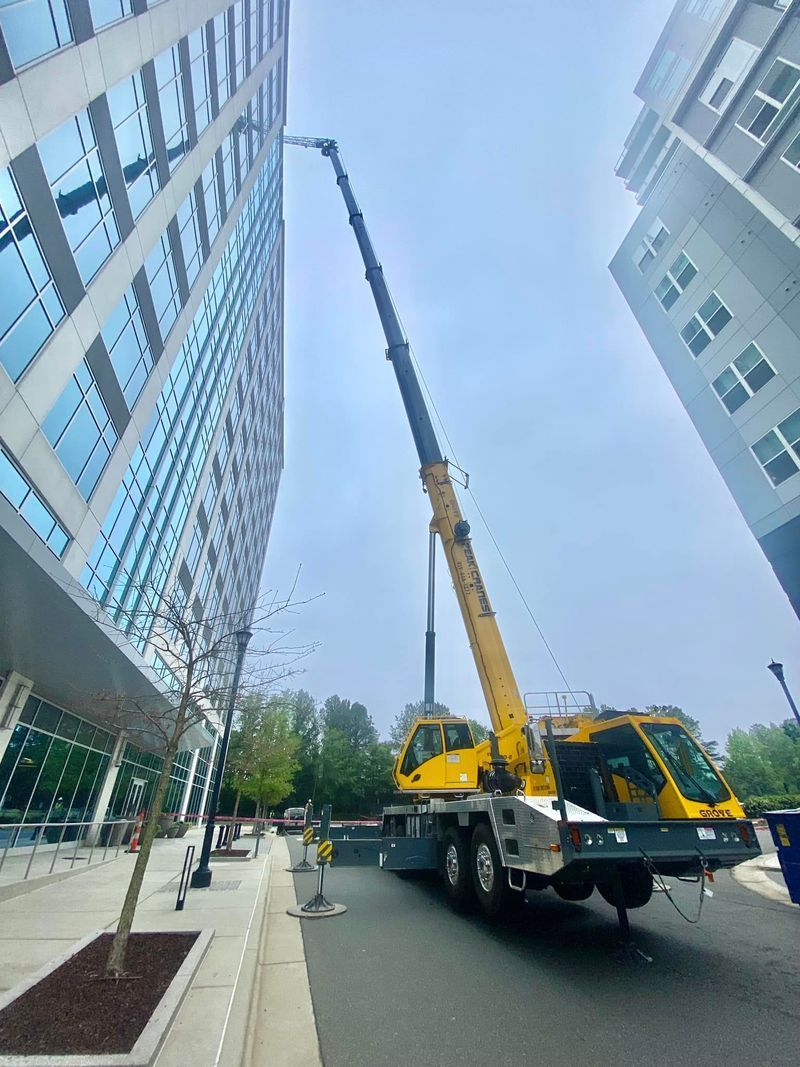
Choosing to rent rather than buy a crane delivers clear advantages in cost management, operational flexibility, risk reduction, and professional support. From predictable budgeting and regulatory compliance to scalable growth and access to modern technology, the benefits of partnering with a trusted local crane service are substantial. By eliminating the financial and logistical burdens of ownership, businesses can focus on efficiency, safety, and project excellence. For companies seeking dependable solutions and long-term success, working with Peak Cranes ensures expert service, reliable equipment, and the confidence to tackle any lifting challenge.